What We Do

Services

Every job below gets the same base prep and joint layout, whether it's a full driveway or a single repair.

HomeServices

Everything we take on

Every job below is one we do ourselves across Carrollton.

Concrete Driveways

We pour driveways at four to six inches thick depending on whether it's carrying a car or a loaded truck, and we put rebar down on anything that size instead of relying on wire mesh alone. Every driveway gets control joints cut within a day of the pour, spaced so the slab has somewhere to crack that isn't across the middle. We grade the base first so water runs off toward the street instead of pooling at your garage door.

Concrete Patios

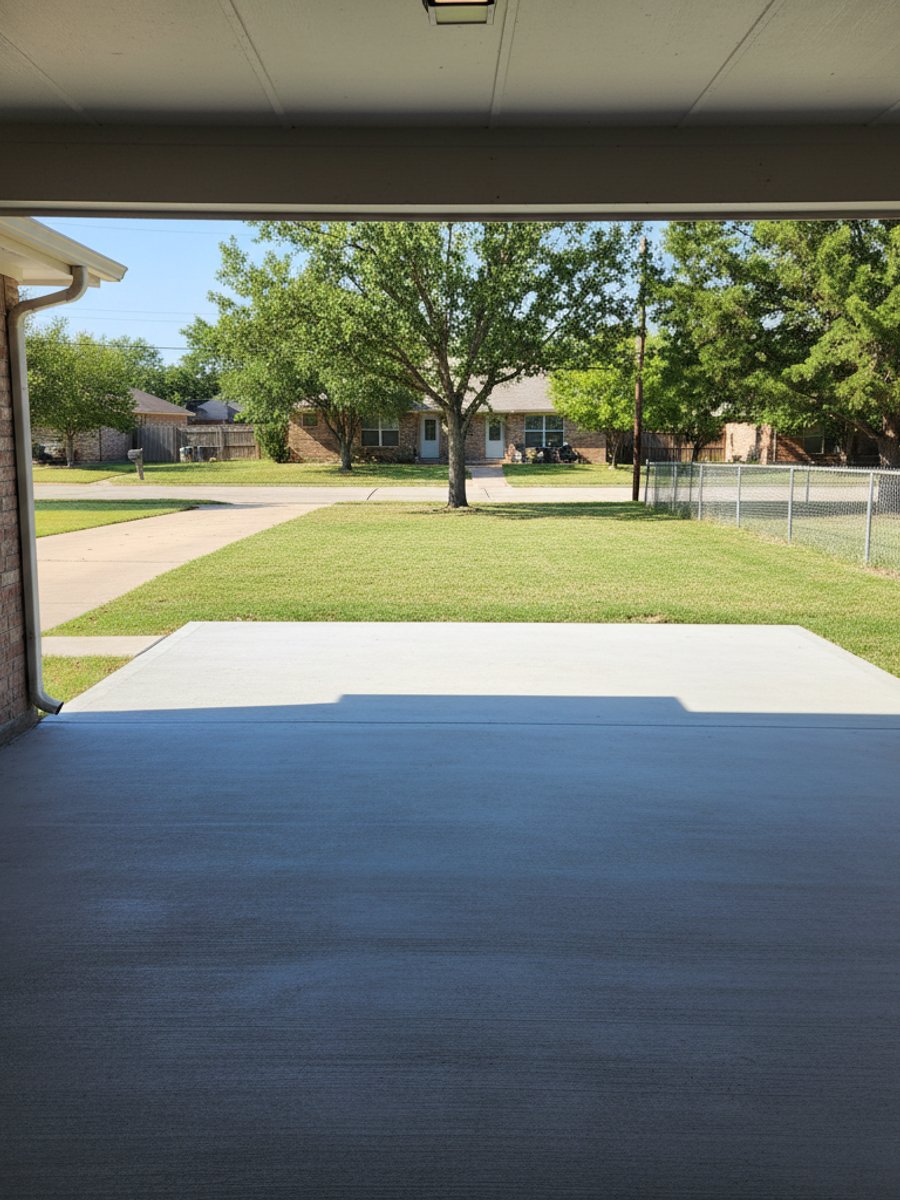
Patios get a broom finish or a light trowel finish depending on how much slip resistance you want when it's wet. We slope the slab away from the house at a quarter inch per foot minimum, so water doesn't end up against your foundation. If you're building around an existing patio that's already sunk on one side, we'll tear it out rather than pour over the low spot.

Stamped Concrete

Stamped concrete gets you the look of flagstone, brick, or cut stone without the joints where weeds take hold. We color the concrete before the pour and stamp it while it's still plastic, then seal it once it's cured. Sealer needs reapplying every couple of years or the color fades and the surface loses its sheen.

Concrete Repair

Not every crack means the slab is done. We route out and fill hairline cracks, mudjack or slab-lift a section that's settled, and cut out and replace concrete that's spalled or broken past saving. A crack that's still moving usually points to something under the slab, and we'll say so instead of just patching the surface.

Concrete Slab Foundations

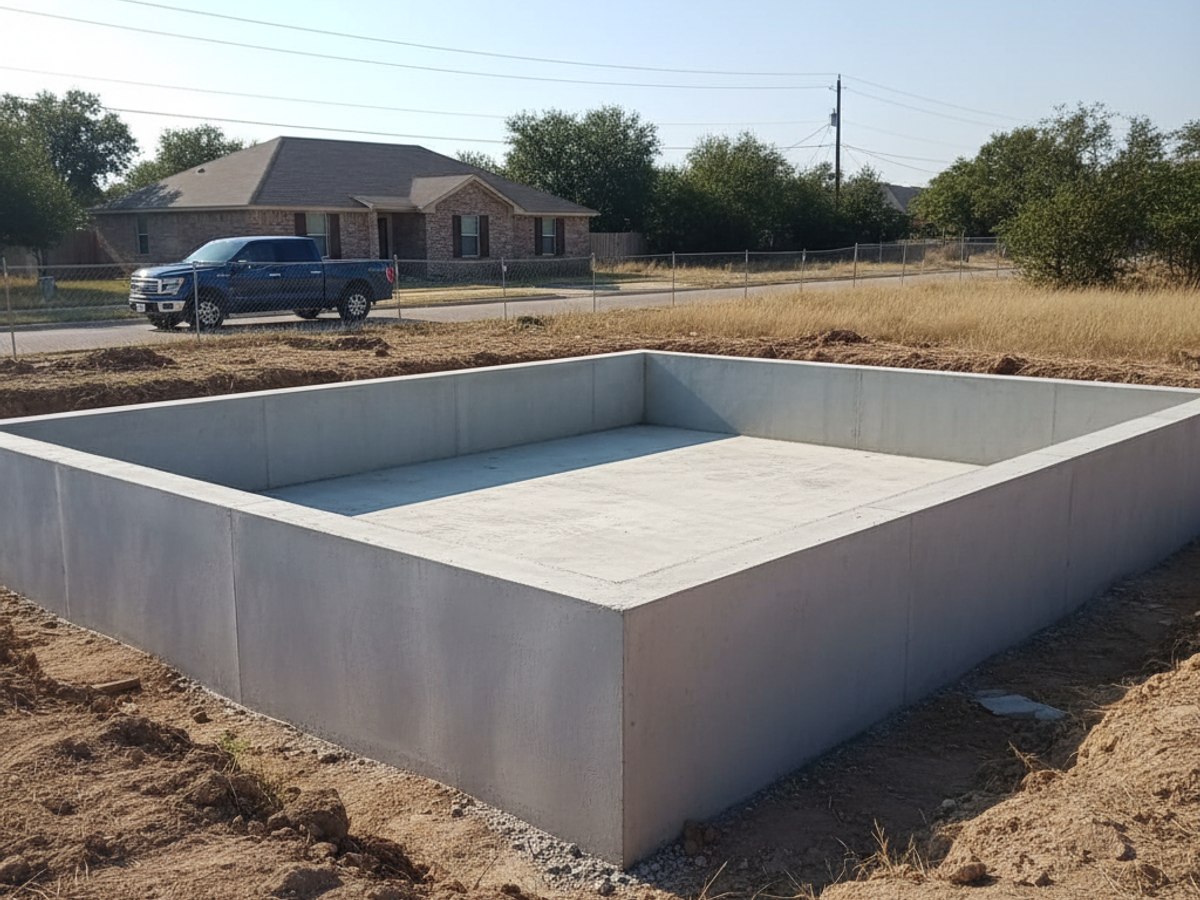
We pour monolithic and post-tension style slabs for additions, sheds, and detached garages. Compaction of the base and correct rebar or cable placement matter more here than the finish on top, since this is the part nobody sees again once it's covered. We coordinate with your framer on anchor bolt and plumbing sleeve locations before the pour, not after.

Concrete Sidewalks & Walkways

Walkways move more than people expect because they're narrow and get less weight to hold them down. We tie new sections into existing concrete with rebar dowels so they don't heave apart at the joint. Expansion joint material goes in anywhere the walk meets a driveway, porch, or foundation.

Concrete Steps & Stoops

Steps take a beating from foot traffic and from water that pools on the tread if the slope's wrong. We form and pour steps with a slight forward pitch on each tread so rain sheds instead of freezing or pooling. Handrail sleeves and anchor points get set into the pour, not drilled in after the fact.

Concrete Pool Decks

Pool decks need a broom or knockdown finish with real texture, because a smooth trowel finish gets dangerous the second it's wet. We use control joints tighter than a normal patio since a pool deck sees more expansion and contraction from the water and the sun. Coping edges get formed to match your pool's radius before anything gets poured.

Retaining Walls

A retaining wall on a sloped yard has to deal with water pressure behind it, not just the weight of the dirt. We put drain rock and a perforated pipe behind every wall over a couple feet tall, and weep holes through the face if it's a solid concrete wall. Skip the drainage and the wall works fine until the first heavy rain, then it doesn't.

Concrete Driveway Extensions & Parking Pads

If you need a wider driveway for a second car or a pad for a boat or trailer, we tie the new concrete into the old with rebar dowels so it doesn't shift as a separate slab. We match the existing finish where we can, though a perfect match on an older driveway isn't always possible with concrete that's weathered for years. We'll tell you upfront if the color won't match exactly rather than promise something we can't deliver.

How It Works

Four steps, and no surprises in any of them.

01

We come and look

You tell us what you want doing, we look at what is actually there, and we ask the awkward questions early.

02

You get a price

In writing, itemised, free. If something might add cost later we flag it now rather than at the end.

03

We do the work

Same crew throughout. We cover your floors, keep the dust down and tidy up before we leave each day.

04

We walk it with you

You point out anything you are not happy with and we fix it before the invoice, not after.

Where We Work

All of this, across Carrollton, TX

This is the ground we cover for both new pours and repair work.

Carrollton, TX
Dallas, TX
Fort Worth, TX
Plano, TX
Garland, TX
Irving, TX
Grand Prairie, TX
McKinney, TX
Frisco, TX
Denton, TX
Richardson, TX
Lewisville, TX
Common Questions

Things worth asking

Common questions once a concrete project is actually underway.

Do I need a permit for concrete work on my property?
New driveways, patios over a certain square footage, and any slab tied into a home's foundation typically require a permit from the local building department. Simple repairs, resurfacing, or replacing a small section of existing concrete usually don't need one. A concrete contractor pulling permits regularly in the area will know which category a specific job falls into.
How long does a typical concrete driveway or patio take to pour and cure?
Forming, base prep, and pouring a standard driveway or patio usually takes one to three days depending on size and site conditions. The slab can typically be walked on after about 24 to 48 hours, but it needs 7 days before light vehicle traffic and closer to 28 days to reach full design strength.
Can concrete work be done on a tight budget?
Costs can be reduced by choosing a standard broom finish over stamped or colored concrete, using wire mesh instead of rebar where the load doesn't require it, and pouring at the minimum recommended thickness for the intended use. Cutting corners on base compaction or reinforcement to save money usually costs more later in repairs.
What kind of guarantee comes with concrete work?
Reputable concrete contractors typically warranty their workmanship against issues like improper curing, joint placement, or finish defects for a period after completion, separate from the material itself. Cracking caused by soil movement, tree roots, or ground settling outside the contractor's control is generally not covered the same way as a workmanship defect.
Will I deal directly with the crew doing the work or with an office?
On most concrete jobs, a single point of contact, whether that's the crew lead or the estimator who quoted the job, handles scheduling, changes, and questions throughout the project. Homeowners should get a name and direct number for that person before the pour date is set.
What's the difference between rebar and wire mesh reinforcement?
Rebar sits up off the ground on chairs and gives real tensile strength through the slab, making it the better choice for driveways and anything carrying vehicle weight. Wire mesh is lighter duty and more prone to sinking to the bottom of the pour if it isn't held up properly, which is why it's typically limited to sidewalks and light-use patios.
Can I still use my driveway or patio while the work is going on?
Access to a driveway or patio is blocked from the time forms go in until the concrete cures enough for foot or vehicle traffic, which is typically a few days for walking and about a week for driving. Parking arrangements should be worked out in advance if the driveway is the only access to a garage.
What do I need to do to get the site ready before the crew arrives?
Clearing the area of vehicles, furniture, potted plants, and sprinkler heads near the work zone makes the job go faster and protects those items from concrete splash. Marking the location of any buried irrigation lines, gas lines, or septic components ahead of time helps the crew avoid them during excavation.
What happens if you find a problem once the old concrete is removed?
Sometimes what's under an old slab, tree roots, a broken irrigation line, unstable fill dirt, isn't visible until demolition is done. A concrete contractor should stop and explain the issue and any added cost before proceeding, rather than pouring over a problem and hoping it doesn't resurface.
How should I care for new concrete after it's poured?
New concrete should be kept off vehicle traffic for about a week and away from de-icing salts or harsh chemicals for the first month while it cures fully. Sealing a driveway or patio every two to three years helps it resist stains, freeze-thaw damage, and the fading that comes from constant sun exposure.

Not sure what you need?

Describe the problem and we will tell you what it probably is. No obligation.
Call (469) 502-6057